Competitive Poker for Small Spaces
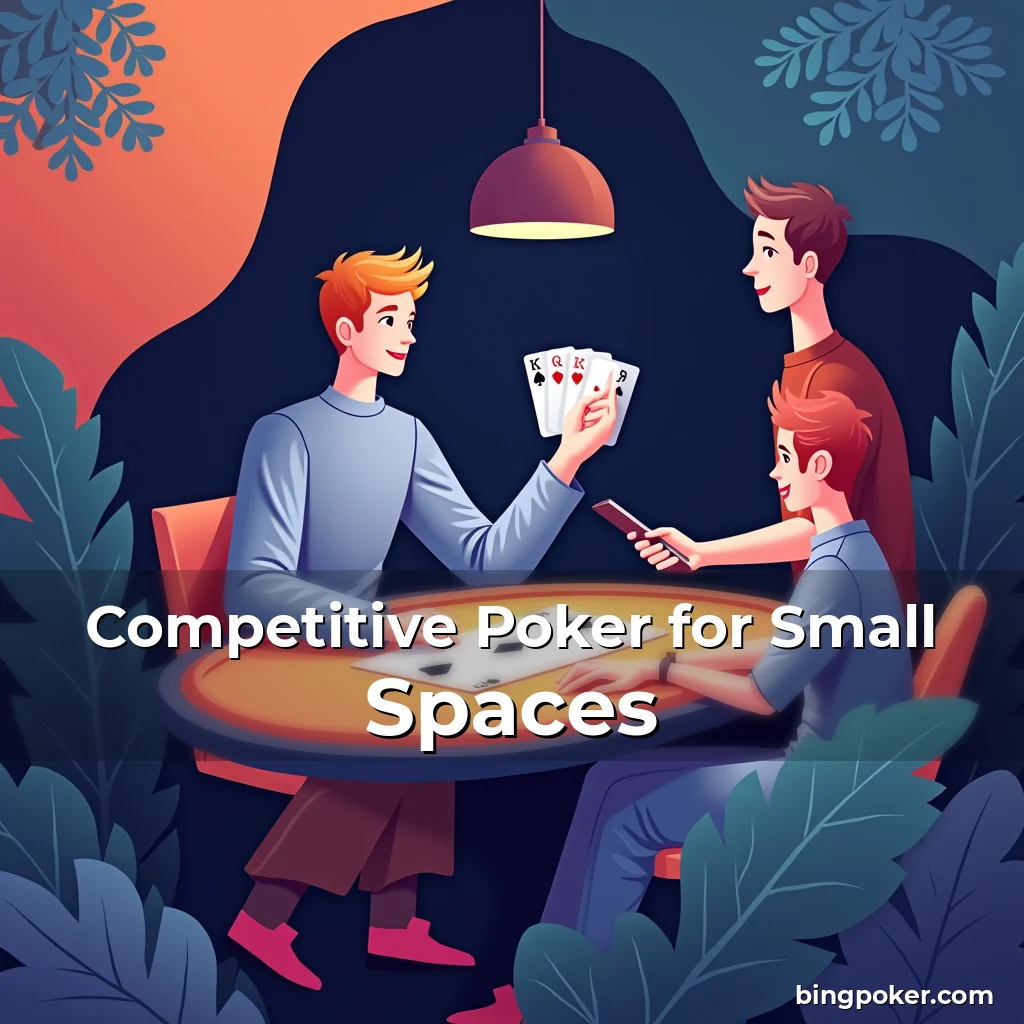
In an era where space is often at a premium, competitive poker has found new life in compact environments that challenge players to adapt their strategies. Whether you’re playing from your living room table or a cramped tournament setup, mastering the nuances of small-space poker can elevate your game.
The key lies in understanding how limited physical space affects both gameplay dynamics and psychological aspects of competition. This guide explores innovative techniques tailored specifically for these confined settings while maintaining high levels of strategic engagement.
Understanding the Dynamics of Compact Play
Small spaces inherently change the way players interact during games. With less room between participants, body language becomes even more critical than usual. Players must be acutely aware of subtle cues such as eye contact patterns or slight shifts in posture which might indicate bluffing attempts or strong hands.
This proximity also impacts betting behavior significantly. When players are close together, they may feel increased pressure when raising bets or calling raises due to heightened awareness of others’ reactions. Conversely, some find comfort in being near opponents, using that closeness strategically to read them better.
A practical example comes from professional tournaments held in studios designed for television broadcasting. These setups limit movement but enhance viewer interaction through camera angles focused precisely on player expressions and gestures.
Players adapting well to tight quarters tend to develop sharper observational skills over time. They learn quickly that every microexpression counts towards interpreting opponent intentions accurately.
- Better Observational Skills: Closer proximity allows for more detailed observation of non-verbal clues, making it easier to detect tells.
- Increased Pressure Sensitivity: The physical closeness heightens emotional responses; thus, managing stress becomes essential for maintaining optimal decision-making abilities.
- Enhanced Communication Through Nonverbal Cues: In smaller areas, verbal communication decreases naturally, shifting emphasis onto facial expressions, hand movements, and other visual indicators.
Strategic Adjustments for Confined Environments
To thrive within constrained conditions, poker players need specialized strategies that differ from traditional formats. One crucial adjustment involves adjusting bet sizing based on available space rather than standard guidelines used in larger venues.
For instance, in tightly packed tables, aggressive open-raising could lead to quick fold-offs because there’s minimal opportunity for repositioning after initial actions. On the flip side, conservative play might allow opponents too much breathing room to regroup effectively post-action.
An effective tactic here is employing positional advantage creatively. Since movement options decrease dramatically in narrow setups, early position gains greater significance compared to late positions typically favored in wider layouts.
Moreover, considering stack sizes relative to seating arrangements helps tailor strategy further. Shorter stacks require different approaches than deep ones when dealing with restricted mobility issues caused by close proximity among players.
Psychological Factors Influencing Performance
Mental preparation plays a vital role in excelling at competitive poker under spatial constraints. Stress management techniques become particularly relevant given the intensified interpersonal interactions typical of such scenarios.
Many top professionals recommend mindfulness practices before entering any session involving limited personal space. Techniques like controlled breathing exercises help maintain composure amidst intense mental battles unfolding right beside you.
Furthermore, developing resilience against potential distractions posed by nearby competitors enhances overall performance consistency. Distractions range from environmental noises generated by adjacent players moving around to occasional glances exchanged across the table.
Cultivating emotional stability enables players to make rational decisions despite external pressures created by the compressed setting. Emotional control translates directly into improved long-term profitability regardless of immediate outcomes.
Tech Innovations Enhancing Competitive Experiences
Advancements in technology have revolutionized how competitive poker unfolds even within tight confines. From digital displays showing real-time chip counts to AI-powered analytics tracking behavioral trends, modern tools provide unprecedented advantages.
Virtual reality headsets offer immersive experiences allowing players to simulate various spatial configurations without physically altering actual gaming setups. Such simulations aid immensely in preparing mentally for diverse competition environments ahead.
Smartphone applications now enable remote monitoring capabilities, letting coaches analyze gameplay data instantaneously irrespective of location limitations imposed upon players.
These technological enhancements ensure fairness remains intact while simultaneously expanding accessibilities for aspiring players who otherwise couldn’t afford expensive travel costs associated with traditional live events.
Fostering Community Amongst Constrained Competitors
Building camaraderie among fellow competitors thrives especially well inside limited spaces. Shared experiences create stronger bonds leading toward mutual respect and support networks beneficial beyond individual successes.
Organizations hosting regular local competitions encourage networking opportunities via pre-event meetups aimed explicitly at forging connections prior to actual matches taking place.
Collaborative learning platforms emerge organically within these communities, providing shared knowledge bases accessible anytime anywhere through online forums dedicated solely to discussing advanced tactics applicable strictly within compact arenas.
Such collaborative efforts contribute positively not only towards personal growth but also strengthen collective identities centered around common interests despite varying skill levels present amongst members.
Educational Resources Tailored Specifically For Limited Space Gamers
Purpose-built educational materials cater exclusively towards those navigating challenges inherent in playing poker within constricted areas. Workshops focusing on specific adaptive methods benefit greatly from personalized instruction sessions conducted locally instead abroad.
Digital libraries containing curated collections of video tutorials demonstrate successful case studies highlighting best practices applied successfully under similar spatial restrictions faced daily by many enthusiasts worldwide.
Interactive webinars featuring expert panels discuss evolving methodologies suitable for contemporary miniature setups prevalent today among serious contenders vying for recognition within niche circles.
Accessibly priced subscription services grant ongoing updates regarding rule changes affecting miniaturized versions alongside exclusive interview features with industry leaders shaping future directions concerning portable poker infrastructures globally.
Future Trends Shaping Competitive Poker Within Restricted Settings
Ongoing developments suggest that competitive poker will continue integrating increasingly sophisticated technologies optimized specifically for enclosed playing fields. Predictive algorithms analyzing past performances assist newcomers orient themselves efficiently prior engagements commence.
Modular furniture solutions designed for easy transport facilitate flexibility required frequently changing venue requirements commonplace nowadays within emerging leagues prioritizing convenience above all else.
As sustainability concerns grow louder globally, eco-friendly materials utilized constructing temporary structures supporting amateur circuits gain traction rapidly replacing conventional alternatives previously dominant marketplace decades ago.
Emerging hybrid models blending virtual elements seamlessly integrated existing physical components redefine what constitutes legitimate competitive spaces altogether reshaping expectations held traditionally about minimum necessary infrastructure required conducting official matches legally recognized authorities governing respective jurisdictions involved.
Conclusion
Mastering competitive poker within small spaces requires a blend of tactical adjustments, psychological readiness, and leveraging cutting-edge innovations. By embracing these elements fully, players unlock tremendous potential hidden within seemingly limiting circumstances.
Whether you’re competing professionally or enjoying casual games at home, applying principles outlined herein ensures continued improvement irrespective of environmental boundaries imposed externally upon you personally. Embrace the challenge wholeheartedly!
“`

news is a contributor at BingPoker. We are committed to providing well-researched, accurate, and valuable content to our readers.