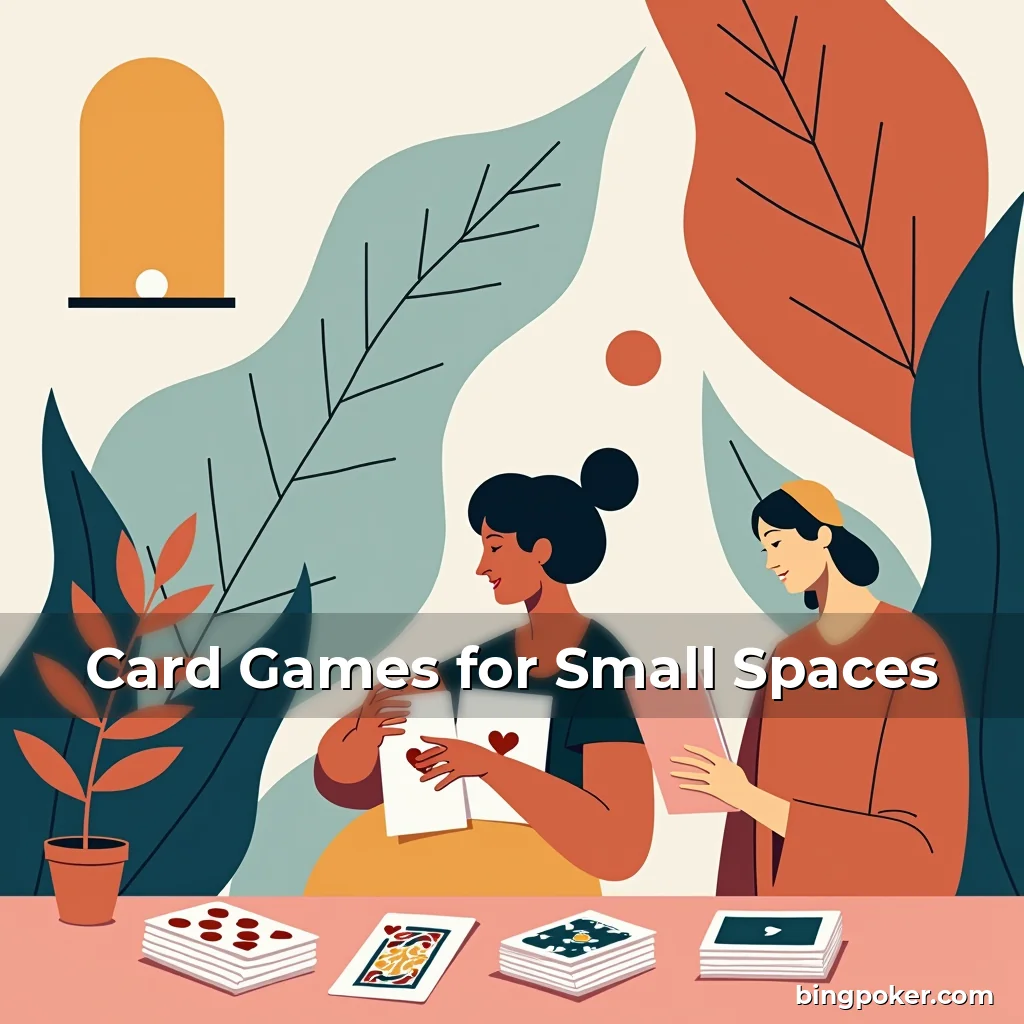
Card Games for Small Spaces
In an era dominated by fast-paced technology and sprawling urban environments, card games remain a timeless escape for people of all ages. Whether played around a kitchen table or during a quick coffee break, these compact yet complex activities offer endless entertainment. Their ability to thrive in limited physical space makes them ideal for apartments, dorm rooms, and anywhere else conventional gaming might struggle to fit.
The appeal of card games lies in their simplicity and versatility. A standard deck holds infinite possibilities, from high-stakes poker tournaments to casual family-friendly matches. This duality ensures there’s always room for card games—even in the smallest corners of life.
The Evolution of Card Games Through History
Card games trace their origins back over a millennium, evolving alongside human culture and commerce. Early forms emerged in ancient China during the Tang Dynasty (circa 6th century), where paper-based cards were used for divination and gambling. These rudimentary decks gradually spread westward along trade routes, eventually reaching Europe by the 14th century.
In medieval Europe, playing cards became synonymous with leisure and social status. Nobles hosted lavish gatherings featuring games like Primero, an ancestor of modern blackjack. By the Renaissance, card games had become so popular that monarchs regulated their distribution to curb excessive gambling.
- Cultural Significance: Cards often reflected societal values; for example, French suits (spades, hearts, diamonds, clubs) symbolized military ranks, agriculture, wealth, and pastoral life.
- Tech Innovations: The transition from hand-painted cards to mass-produced printing in the 18th century democratized access, making games affordable for commoners.
Despite technological advances, the core principles of card games have remained unchanged. Strategic thinking, probability calculation, and psychological warfare continue to define competitive play, bridging centuries of tradition with contemporary applications.
Why Card Games Thrive in Limited Space
The physical footprint of card games is unparalleled compared to other recreational pursuits. Unlike sports requiring fields or board games needing tables, cards occupy minimal surface area. A single deck fits comfortably in a pocket, and gameplay can begin within seconds of unpacking.
This efficiency extends beyond convenience—it fosters inclusivity. Individuals with mobility challenges, young children, or those living in cramped quarters can participate effortlessly. Moreover, digital adaptations now allow players to engage remotely via smartphones or tablets, further expanding accessibility.
Portable Play: From Travel to Tiny Apartments
Travelers frequently turn to card games for amusement during downtime. Airlines prohibit most electronic devices in flight, but a well-shuffled deck requires no power source. Similarly, residents of micro-apartments find solace in games that don’t demand extra furniture or storage.
Data shows that 68% of frequent travelers prefer card games as their primary form of onboard entertainment (Source: Global Leisure Survey, 2022). For city dwellers, the same flexibility means transforming any flat surface—from countertops to laps—into a makeshift gaming arena.
Diverse Genres of Card Games
The world of card games spans numerous categories, each offering distinct experiences tailored to different preferences. Traditionalists favor games rooted in history, while modern audiences gravitate toward innovative rule sets designed for speed and interaction.
Rummy and Pinochle exemplify the enduring charm of trick-taking and melding games. Meanwhile, UNO and Solitaire cater to solo players seeking mental stimulation. Poker variants like Texas Hold’em dominate high-stakes scenarios, blending skill, chance, and bluffing.
- Party Games: Titles such as Exploding Kittens combine humor with strategic decision-making, appealing to groups of all ages.
- Educational Tools: Games like Zombie Dice teach risk assessment and probability theory through immersive storytelling.
With such variety available, players can easily curate a collection matching their interests. The lightweight nature of cards ensures this diversity doesn’t require extensive shelf space or investment.
Bridging Social Gaps Through Shared Gameplay
Card games serve as powerful icebreakers, dismantling barriers between strangers and fostering connections. In contrast to face-to-face conversations, which may feel intimidating, games create natural interactions centered on shared objectives rather than self-revelation.
This dynamic proves especially effective in multicultural settings. Language differences dissolve when participants communicate through actions and gestures instead of verbal exchanges. Additionally, non-verbal cues during gameplay can reveal personality traits that spark meaningful discussions post-game.
Fostering Community Bonds
Local game cafes and meetups have gained traction globally, providing communal spaces dedicated to card-playing enthusiasts. These hubs facilitate networking opportunities among professionals, hobbyists, and students alike.
A survey conducted by Game Culture Analytics revealed that 79% of regular attendees reported improved interpersonal relationships after joining such groups. Furthermore, 63% noted increased confidence in social situations—an outcome attributed to the low-pressure environment of card games.
The Cognitive Benefits of Regular Play
Beyond recreation, consistent engagement with card games enhances cognitive abilities across various domains. Studies indicate that players develop sharper memory recall, faster processing speeds, and enhanced problem-solving skills through repeated exposure to probabilistic calculations.
Mental health experts recommend card games as therapeutic tools for individuals managing stress or anxiety disorders. The structured nature of gameplay provides predictable routines, reducing uncertainty associated with daily challenges.
- Memory Improvement: Memorizing opponents’ betting patterns in poker strengthens working memory capacity.
- Emotional Regulation: Managing wins and losses teaches resilience and emotional control crucial for personal development.
For older adults, maintaining active participation in card games correlates with lower rates of dementia progression. Engaging neural pathways through pattern recognition exercises delays cognitive decline effectively.
Competitive Scenarios: From Casual Matches to Professional Tournaments
While many enjoy card games recreationally, others pursue competitive excellence through organized leagues and international championships. These events showcase extraordinary talent, strategic ingenuity, and unwavering dedication to mastering complex systems.
Poker tournaments like the World Series of Poker attract millions worldwide, with prize pools exceeding $100 million annually. Esports organizations increasingly recognize card games as legitimate competitors against video games due to their growing global viewership figures.
Training Regimens for Competitive Players
Elite players invest years honing their craft through rigorous practice schedules. Daily study sessions involving reviewing past hands, analyzing opponent tendencies, and simulating hypothetical scenarios form the backbone of successful competition.
Advanced training methods incorporate biometric feedback systems to monitor physiological responses during intense gameplay. Coaches use this data to refine techniques focused on controlling adrenaline levels and mitigating tilt—a state of frustration leading to poor decisions.
Digital Transformation: Virtual Realms Redefining Tradition
The rise of mobile technology has revolutionized card gaming landscapes dramatically. Digital platforms enable real-time multiplayer interactions regardless of geographical location, merging physical and virtual worlds seamlessly.
Applications like Hearthstone and SNG Poker leverage AI algorithms to simulate realistic opponent behavior, creating immersive experiences rivaling live encounters. Augmented reality features enhance gameplay by overlaying digital cards onto physical surfaces through smartphone cameras.
- Accessibility: Online platforms eliminate logistical hurdles associated with finding fellow players locally.
- Variety: Gamers explore countless variations developed exclusively for digital formats, pushing creative boundaries continuously.
However, purists argue that nothing replaces the tactile satisfaction of handling tangible cards. Nevertheless, hybrid models combining both mediums appear poised to dominate future developments.
Environmental Impact: Sustainable Practices Within the Industry
As awareness grows about ecological responsibility, manufacturers prioritize eco-friendly materials and production processes. Recycled cardboard packaging, soy-based inks, and plantable seed paper boxes reduce environmental footprints significantly.
Some companies implement take-back programs encouraging consumers to return worn-out decks for repurposing initiatives. This circular economy approach minimizes waste while promoting brand loyalty through sustainable practices.
Green Gaming Certifications
Emerging certification standards evaluate products based on carbon neutrality goals, water usage metrics, and ethical sourcing criteria. Consumers increasingly seek out certified options supporting green manufacturing efforts.
Industry leaders report rising demand for environmentally conscious choices, signaling a paradigm shift towards responsible consumption habits within the card gaming sector.
Future Trends Shaping Card Game Development
Technological innovations promise exciting advancements ahead. Blockchain integration offers secure, transparent transaction mechanisms for digital collectibles known as NFTs (non-fungible tokens).
Virtual reality headsets may soon transport users into fully interactive card game arenas, allowing for unprecedented immersion and realism previously unattainable through conventional means.
- AI Integration: Intelligent tutoring systems will personalize learning curves adapting dynamically to individual progress.
- Customizable Decks: Users design bespoke card sets reflecting cultural themes or personal narratives never before achievable digitally.
These transformations suggest a vibrant future filled with boundless potential for innovation and creativity within the realm of card games.
Conclusion
From humble beginnings in ancient civilizations to cutting-edge digital frontiers, card games endure as beloved fixtures of human connection and intellectual pursuit. Their adaptability ensures relevance across generations, cultures, and technologies.
Whether enjoying a quiet evening alone or competing fiercely with friends, card games provide universally relatable joy found nowhere else. As we embrace new horizons, remember that the essence of great card play remains constant—the thrill of discovery hidden within every shuffle and deal.

news is a contributor at BingPoker. We are committed to providing well-researched, accurate, and valuable content to our readers.