
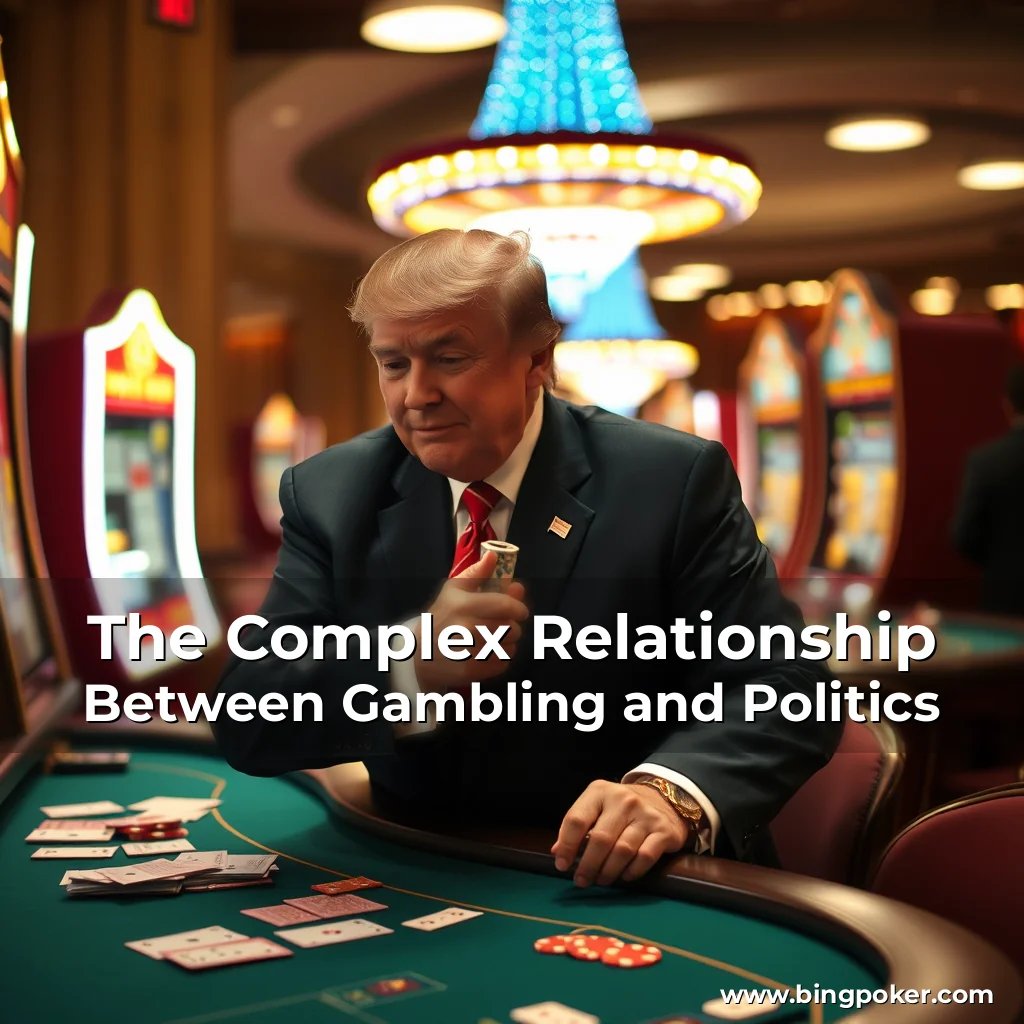
The High Stakes of Gambling in the United States
Gambling is a contentious issue in the United States, with some states allowing it to flourish and others banning it entirely. The debate surrounding gambling has sparked intense discussions about the role of government in regulating and controlling this activity. Politicians often find themselves at the center of the controversy, with some advocating for stricter regulations and others pushing for greater freedom.
- The National Council on Problem Gambling offers help for those struggling with gambling-related issues.
- The Commodity Futures Trading Commission has also taken steps to regulate online sports betting.
- States like Nevada allow gambling to thrive, while others, such as Utah, ban most forms of it.
A recent study by economist Jason Sorens highlights the inconsistencies in the way gambling is regulated across different states. Sorens’ research reveals a stark contrast between states that allow private gambling businesses to operate and those that do not. This disparity raises important questions about the role of government in regulating gambling activities.
The Hypocrisy of Politicians
Politicians often accuse those who engage in gambling of being reckless and irresponsible. However, many politicians themselves have been known to engage in questionable activities, including using their positions to line their own pockets. For example, politicians may use their influence to secure lucrative contracts or embezzle public funds. The National Council on Problem Gambling offers help for those struggling with gambling-related issues. The Commodity Futures Trading Commission has also taken steps to regulate online sports betting. States like Nevada allow gambling to thrive, while others, such as Utah, ban most forms of it. One of the most striking examples of hypocrisy can be seen in the way politicians address their own state lotteries. While they often condemn private gambling as a social menace, they themselves promote their own state lotteries as a legitimate and responsible form of entertainment.
Why Politicians Oppose Private Gambling
Politicians have long been opposed to private gambling, citing concerns about its negative impact on society. However, their opposition is often driven by self-interest rather than a genuine concern for the welfare of their constituents.
Government Lotteries: A Dubious Legacy
Government lotteries are often seen as a way for politicians to raise revenue without having to face the public eye. However, these lotteries often offer poor odds and are designed to part people from their hard-earned cash. In contrast, private gambling businesses offer better odds and more transparency, making them a more attractive option for those who engage in this activity.
The Consequences of Government Control
The consequences of government control over gambling activities can be far-reaching. By allowing private gambling businesses to operate, states can generate significant revenue while also providing their citizens with a range of options for entertainment and leisure.
Conclusion
In conclusion, the relationship between gambling and politics is complex and multifaceted. While politicians often accuse those who engage in gambling of being reckless and irresponsible, many themselves engage in questionable activities. By promoting their own state lotteries as a legitimate form of entertainment, politicians demonstrate their hypocrisy and self-interest.
| Advantages of Private Gambling | • Better odds and more transparency |
| • Ability for private businesses to innovate and improve | • Generates significant revenue for states |
The issue of gambling is not going to be resolved anytime soon. However, by promoting private gambling and regulating it effectively, states can ensure that this activity is carried out in a responsible and transparent manner. By doing so, they can also ensure that their citizens have access to a range of options for entertainment and leisure.

news is a contributor at BingPoker. We are committed to providing well-researched, accurate, and valuable content to our readers.